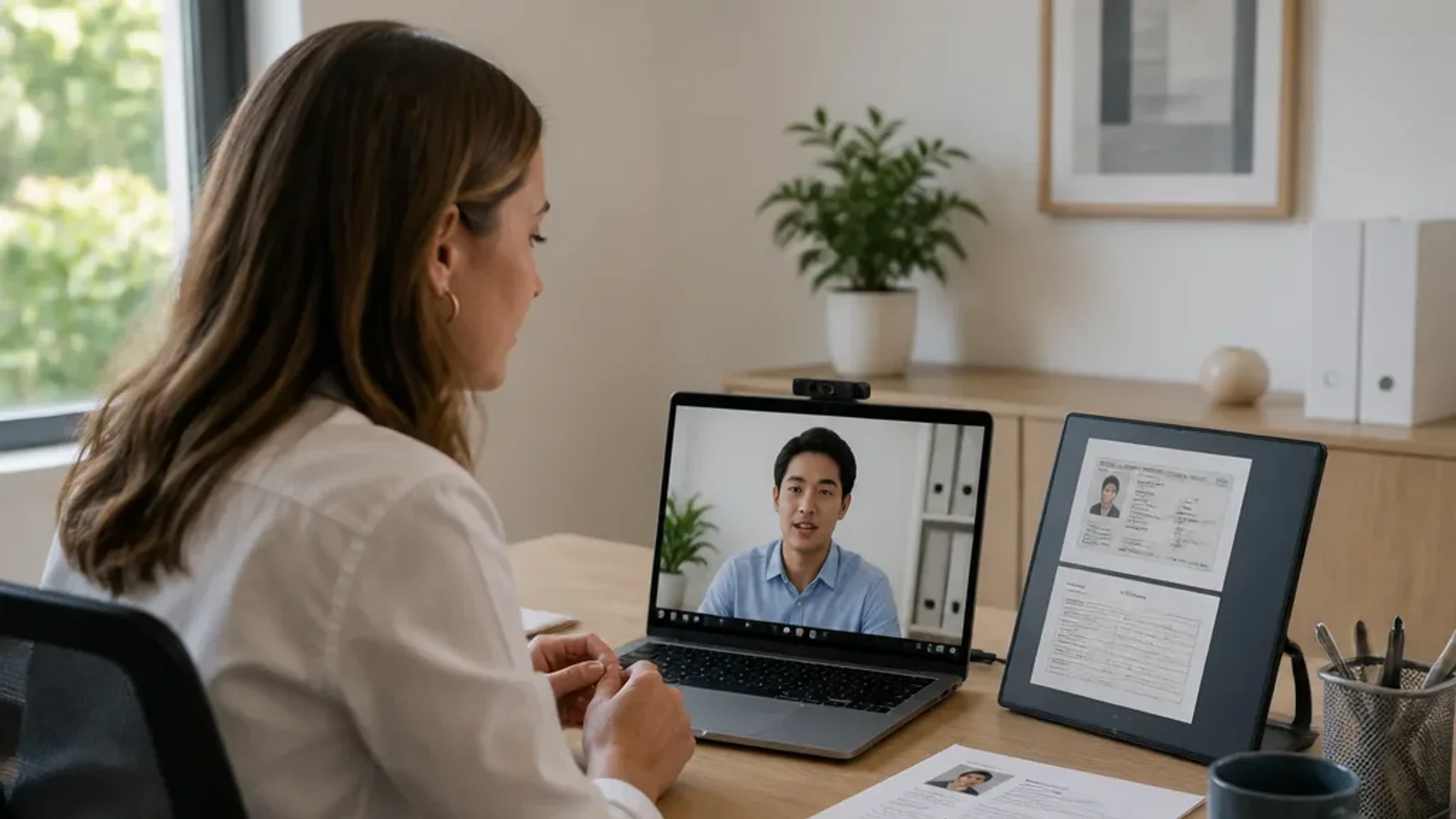


Recruiting the Right Remote Talent
Managing a remote team starts with hiring one properly. How to vet a remote hire covers the screening this section assumes you have already done, and our services cover the part you can hand over.
Building an effective remote team starts with hiring the right people. Look for these qualities when recruiting remote professionals:
- Self-motivation: Remote workers need to stay productive without direct supervision.
- Strong communication skills: Clear, proactive communication is essential in a remote environment.
- Problem-solving abilities: Remote team members must be resourceful when facing challenges.
- Previous remote experience: While not essential, prior remote work experience can indicate a candidate's ability to thrive in this environment.
- Technical proficiency: Comfort with collaboration tools and willingness to learn new technologies is crucial.
Establishing Communication Protocols
Effective communication is the backbone of successful remote teams. Implement these communication practices:
Synchronous Communication
While asynchronous work is a benefit of remote teams, regular synchronous communication helps build relationships and solve complex problems:
- Hold regular team meetings and one-on-ones
- Establish "core hours" when all team members are available
- Use video calls for complex discussions and relationship-building
Asynchronous Communication
Most remote work happens asynchronously, allowing for flexibility and focused work:
- Document decisions and discussions thoroughly
- Use project management tools to track progress and assignments
- Create a knowledge base for team processes and information
- Set clear expectations about response times for different communication channels
Building Trust and Company Culture
Strong remote teams require intentional culture-building:
- Create opportunities for social connection: Virtual coffee breaks, team games, or informal channels help build relationships.
- Recognize achievements publicly: Celebrate wins and milestones to foster team pride.
- Practice transparency: Share company updates, challenges, and successes openly.
- Respect work-life boundaries: Discourage after-hours work communication unless truly urgent.
- Organize occasional in-person gatherings: When possible, bring the team together for strategic planning and team building.
Performance Management in Remote Settings
Expect a two-week ramp before a new remote hire is at full speed, and plan the training, the access and the check-ins for that fortnight rather than the first afternoon. It is the single thing that separates a placement that works from one that does not.
Managing performance remotely requires a shift from monitoring presence to evaluating outcomes:
- Focus on results: Evaluate performance based on quality and timeliness of work rather than hours logged.
- Set clear expectations: Define specific, measurable goals and objectives.
- Provide regular feedback: Don't wait for formal reviews to address performance issues or recognize good work.
- Use data and metrics: Establish KPIs that make sense for remote work.
- Support professional development: Offer learning opportunities and growth paths for remote team members.
Tools and Technology
The right tools enable seamless remote collaboration:
- Project management: Tools like Asana, Trello, or Monday.com to track tasks and progress
- Communication: Slack, Microsoft Teams, or Discord for team messaging
- Video conferencing: Zoom, Google Meet, or Microsoft Teams for face-to-face meetings
- Document collaboration: Google Workspace or Microsoft 365 for real-time document editing
- Virtual whiteboarding: Miro or Figma for visual collaboration
Conclusion
Building high-performing remote teams requires intentional strategy and ongoing effort. By focusing on hiring the right people, establishing clear communication protocols, fostering a strong culture, managing performance effectively, and leveraging appropriate tools, organizations can create remote teams that not only match but often exceed the performance of traditional in-office teams.
Remember that the most successful remote teams continuously adapt their practices based on feedback and changing circumstances. With the right approach, remote work can unlock unprecedented levels of productivity, innovation, and employee satisfaction.